
Free Mental Performance Assessment + Free 7-day PrimeMind Trial
How strong is your mental game? Most serious athletes do physical testing frequently, but very few assess their mental performance in a structured way. That’s why I created the PrimeMind Assessment of Mental Performance (AMP), designed to help athletes better understand their mental strengths and areas that need improvement such as confidence, focus, motivation, resilience, […]
Read MorePrimeMind Adds 18 New Mental Workouts
I’m pleased to announce that PrimeMind has added 18 new Mental Workouts to its Mental Performance/Well-being/Mental Health library. These Mental Workouts focus on helping athletes overcome common challenges they face in their sport: Self-doubt Overthinking Low motivation Distraction Performance anxiety Negative emotions Choking These Focus areas have 2-3 Mental Workouts each that explore what the […]
Read MorePrimeMind is Now Live!
I’m thrilled to announce that my new start-up, PrimeMind, has launched its web-based app for athletes, coaches, parents, and sport organizations. Here’s why I created it. For many years, I’ve worked with athletes and teams on the mental side of sport. One ongoing challenge has been this: while physical and technical training are comprehensive, structured, […]
Read More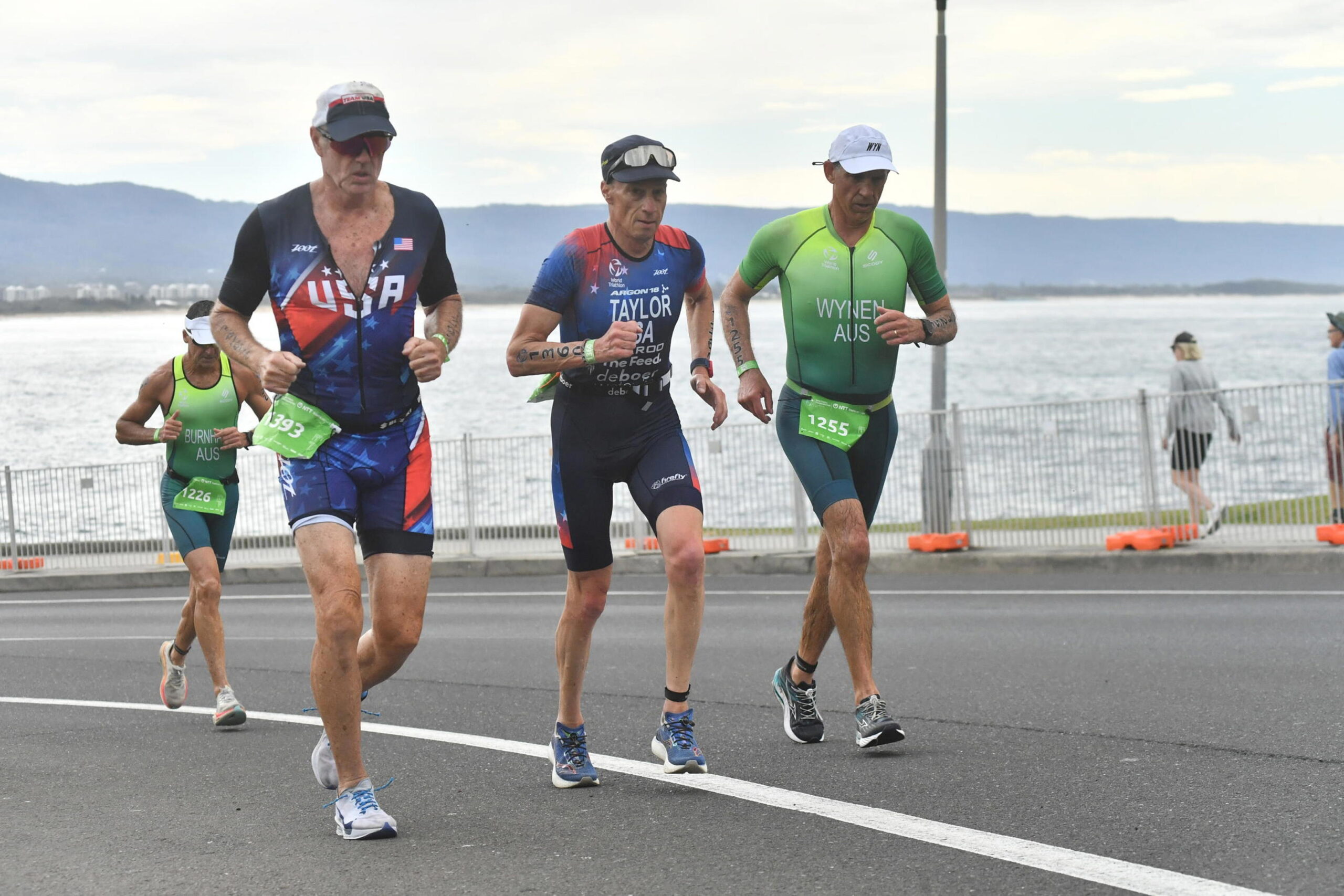
How to Prepare Mentally for Triathlon Season
As the off-season winds down and the first triathlons of the season approach (or have already begun), most triathletes naturally shift their focus toward physical readiness. Training volume increases, intensity sharpens, and race calendars begin to take shape. But if you want to perform at your best when it matters most, your mental preparation deserves […]
Read More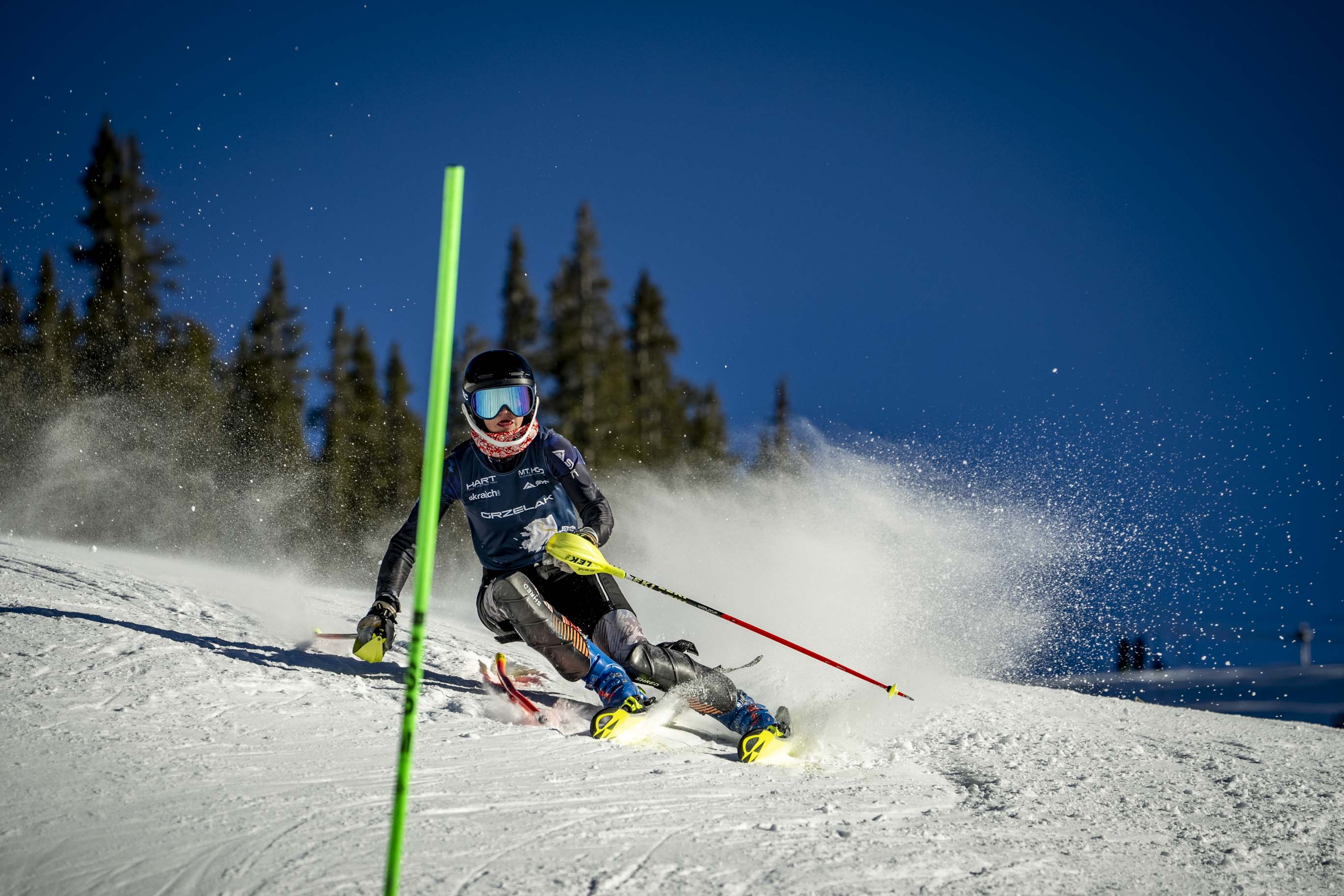
Ski Coaches Set Minds, Not Just Courses
Ski coaches do far more than train racers physically, technically, and tactically. They also, and more importantly, shape the psychological environment of ski racing more than any drill, workout, or training session. Every word, cue, and reaction from coaches sends powerful messages to racers about what matters and how they should approach every aspect of […]
Read More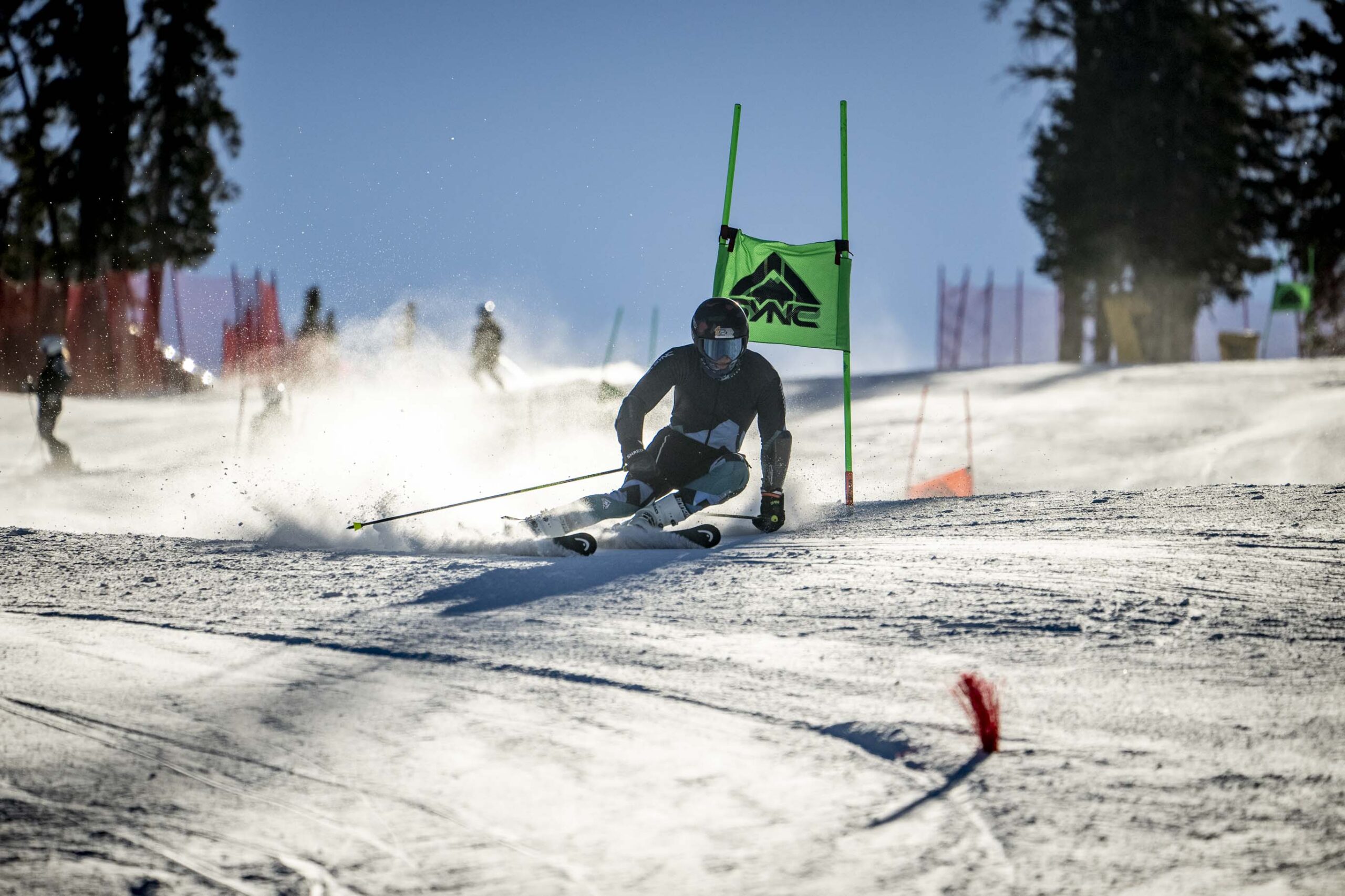
Second Runs Are a Different Sport: How to Reset, Regulate, and Charge (No Matter the Stakes)
First runs and second runs may take place on the same hill, but psychologically they are very different competitions. Racers who treat them the same often struggle. Racers who recognize and respect the difference gain a real competitive advantage. In the first run, uncertainty dominates. Racers do not yet know where they stand. Pressure exists, […]
Read More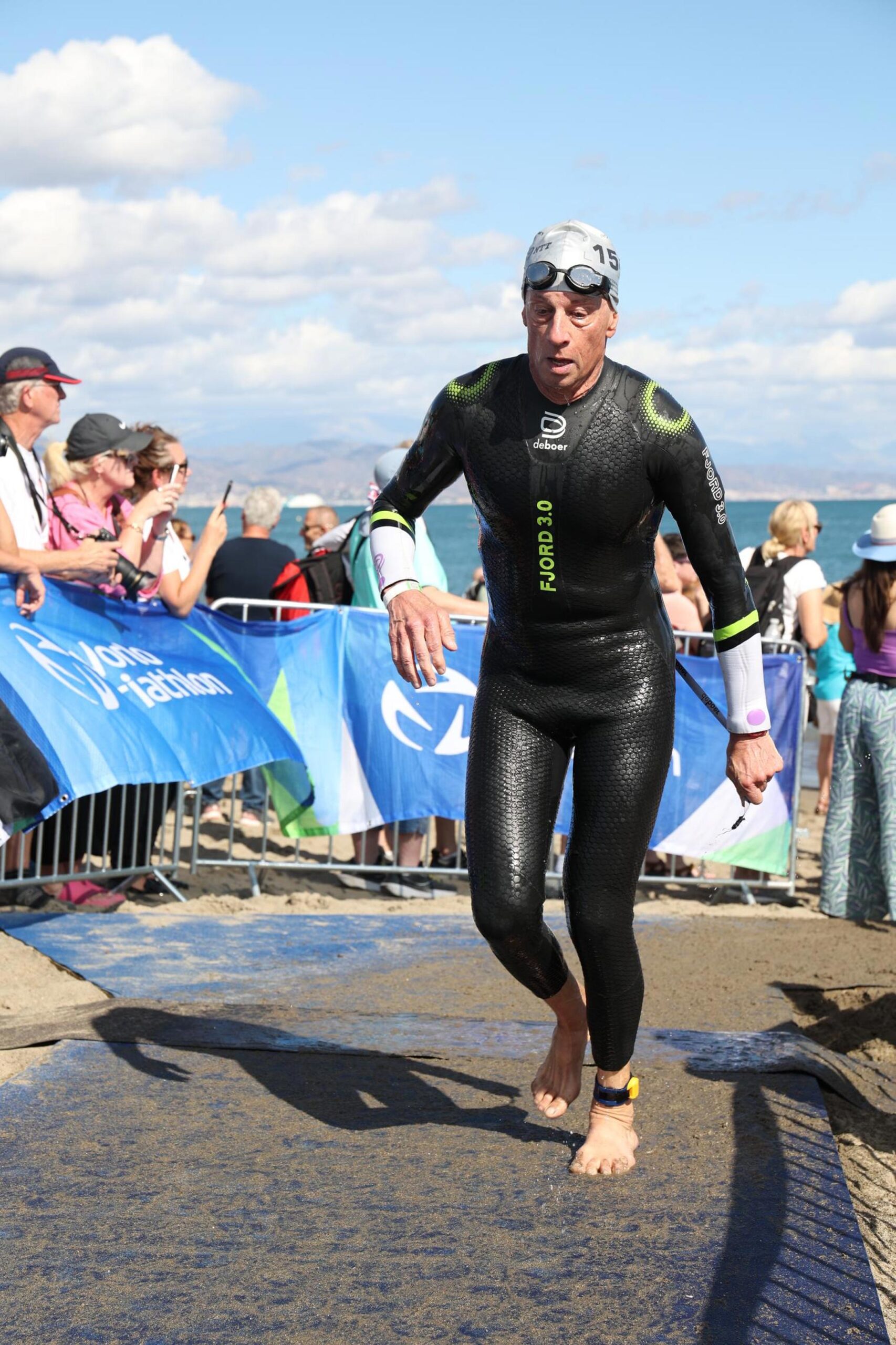
Building Confidence When There Are No Races to Prove Yourself
For many triathletes, confidence is tied almost entirely to racing. Good race = high confidence. Bad race = doubt. No races at all? Confidence quietly erodes. That’s why the off-season is such a vulnerable time mentally. There are no bib numbers, no rankings, no finish lines to confirm that you’re on the right track. Training […]
Read More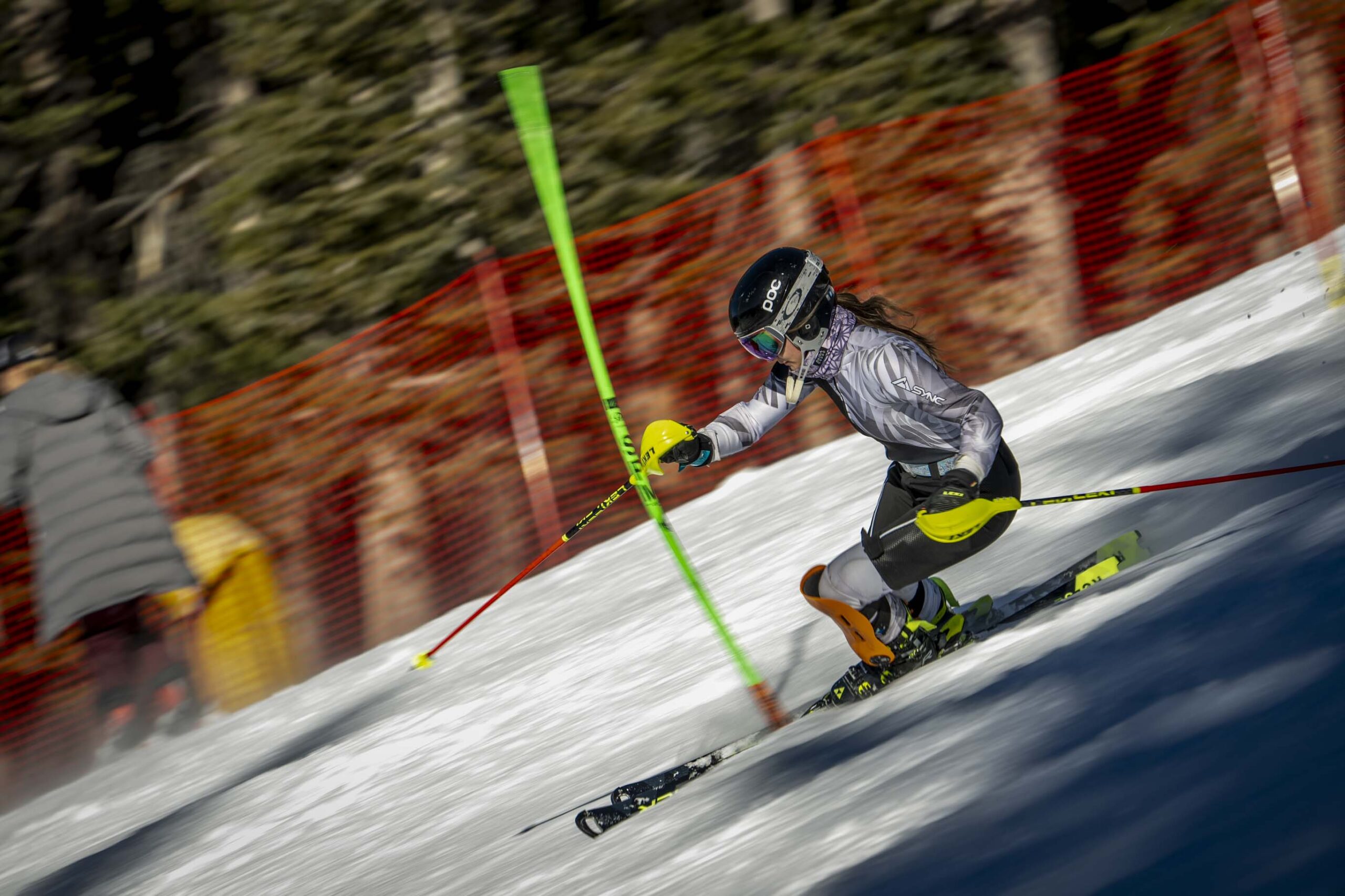
Be Your Ski-Racing Children’s Wings, Not Their Weight Vest
Parents play a powerful role in the psychological development of ski racers, whether they intend to or not. What you say, how you react emotionally at races, and even what you do not say sends constant signals to your child about expectations, performance, and self-worth. Most parents want to help. Many unintentionally make the mental […]
Read More
Do You Train Better Than You Race? Here’s Why
One of the most frustrating experiences in ski racing is skiing free and fast in training, then feeling tight, skiing cautious, and finishing slow on race day. Ski racers often assume this means they are missing something technically. In most cases, they are not. The difference between training speed and race speed is rarely physical. […]
Read More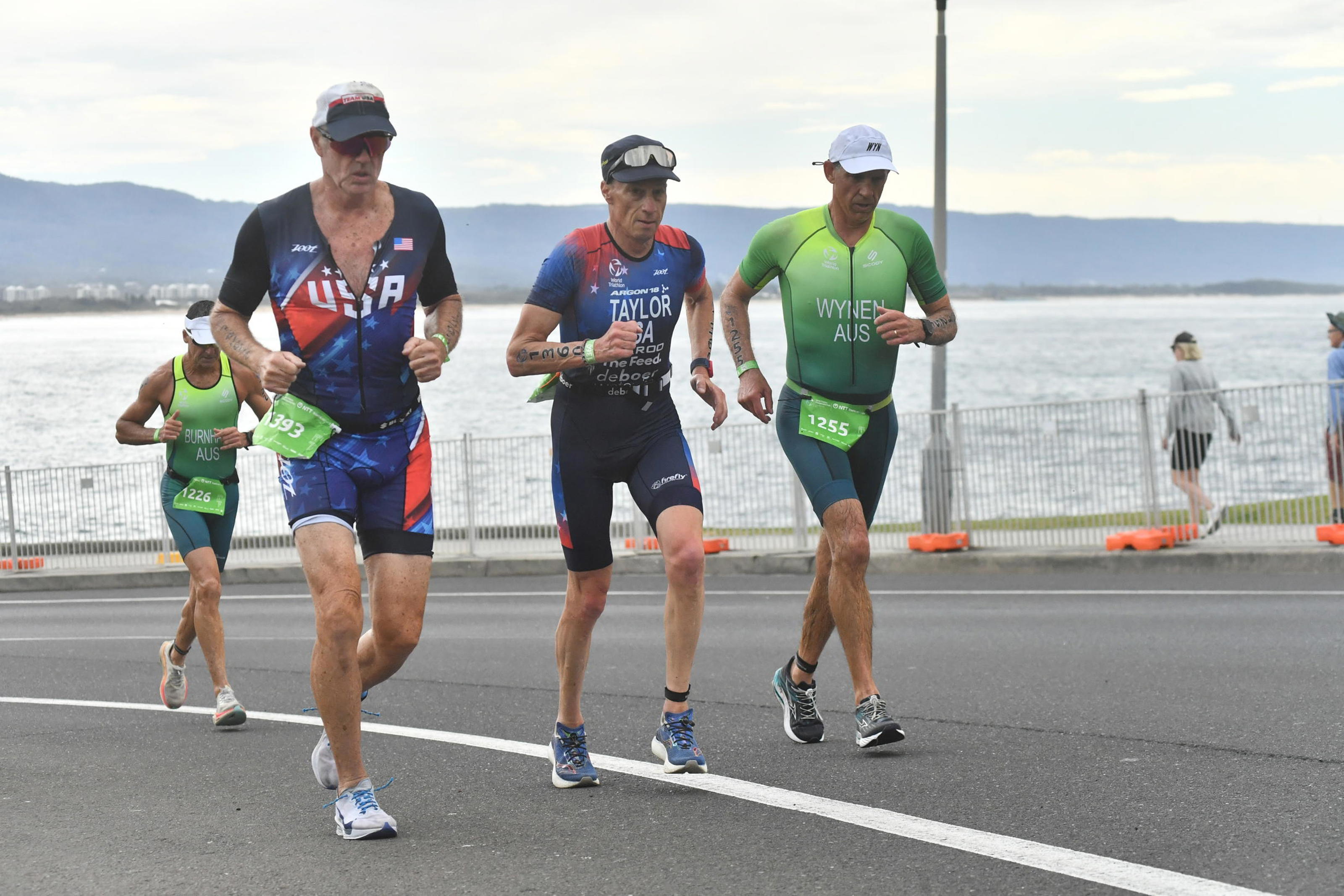
Why Mental Training in the Triathlon Off-Season
During race season, your mind is largely reactive. You respond to results, pressure, expectations, fatigue, pain, unforgiving conditions, and the First Rule of Triathlon: “S&%# happens in triathlon. There is little room to step back and change how you think or operate. Patterns—good or bad—are already in motion. The off-season is different. It is the […]
Read More