
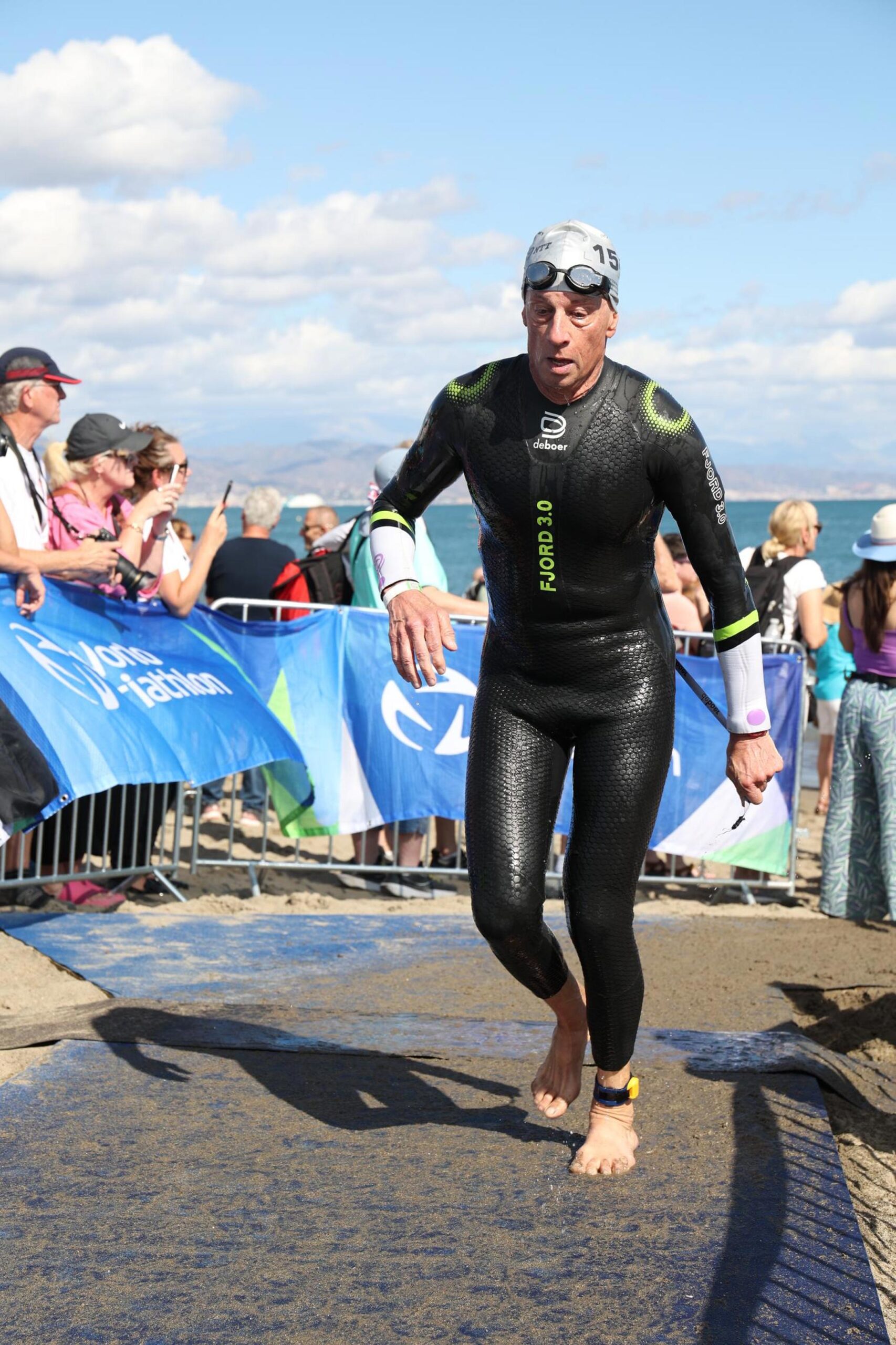
For many triathletes, confidence is tied almost entirely to racing. Good race = high confidence. Bad race = doubt. No races at all? Confidence quietly erodes.

That’s why the off-season is such a vulnerable time mentally. There are no bib numbers, no rankings, no finish lines to confirm that you’re on the right track. Training feels abstract. Progress is slow. Feedback is limited.

And yet, this is exactly when the strongest confidence is built.
Why Off-Season Confidence Is Different
Race-based confidence is fragile by nature. It depends on conditions you can’t fully control: competition, courses, weather, health, and timing.
Off-season confidence is different. It’s quieter, less emotional, and far more stable. It’s built on evidence rather than outcomes.

This kind of confidence doesn’t ask, “How good am I compared to others?”
It asks, “Do I trust how I’m preparing?”
That distinction matters.
Athletes who rely only on race results to feel confident often arrive at the start line needing reassurance. Athletes who build confidence during the off-season arrive trusting themselves.
The Confidence Trap of Winter Training
One of the biggest mistakes athletes make during this period is interpreting the lack of excitement as a lack of progress.

Base training isn’t flashy. Improvements are subtle. Fitness develops gradually. If your confidence depends on dramatic signals, winter training will feel unsatisfying and even discouraging.
The danger isn’t boredom. It’s misinterpretation.
Athletes start to question:
- “Am I doing enough?”
- “Am I falling behind?”
- “Should this feel better by now?”
Those questions aren’t signs of weakness. They’re signs that confidence is being outsourced to the wrong sources.
Confidence Comes From Proof, Not Feelings

Real confidence comes from accumulated proof.
Proof that you:
- Show up consistently
- Execute sessions with intention
- Stay patient when progress is slow
- Train the way you said you would, even when motivation is low

These moments don’t create emotional highs. They create trust.
And trust is what you lean on when things get hard—during tough training blocks, unexpected setbacks, and races that don’t go to plan.
A Simple Confidence-Building Tool
Instead of asking, “Do I feel confident?”, ask:

- “Am I training with consistency?”
- “Am I executing my plan the way I intended?”
- “Am I responding to setbacks constructively?”
If the answer is yes, confidence is already there—even if it doesn’t feel dramatic.

This shift is important. Feelings fluctuate. Evidence accumulates.
Why This Matters When Racing Starts
Athletes who build confidence this way don’t panic when the season begins. They don’t need early results to validate their preparation. They trust the process because they’ve lived it for months.

Athletes who skip this work often feel mentally fragile early in the season. One poor race creates doubt. One missed session feels threatening.

The off-season is where confidence becomes durable.
If you want confidence that lasts beyond one good race, it has to be built when no one is watching.