
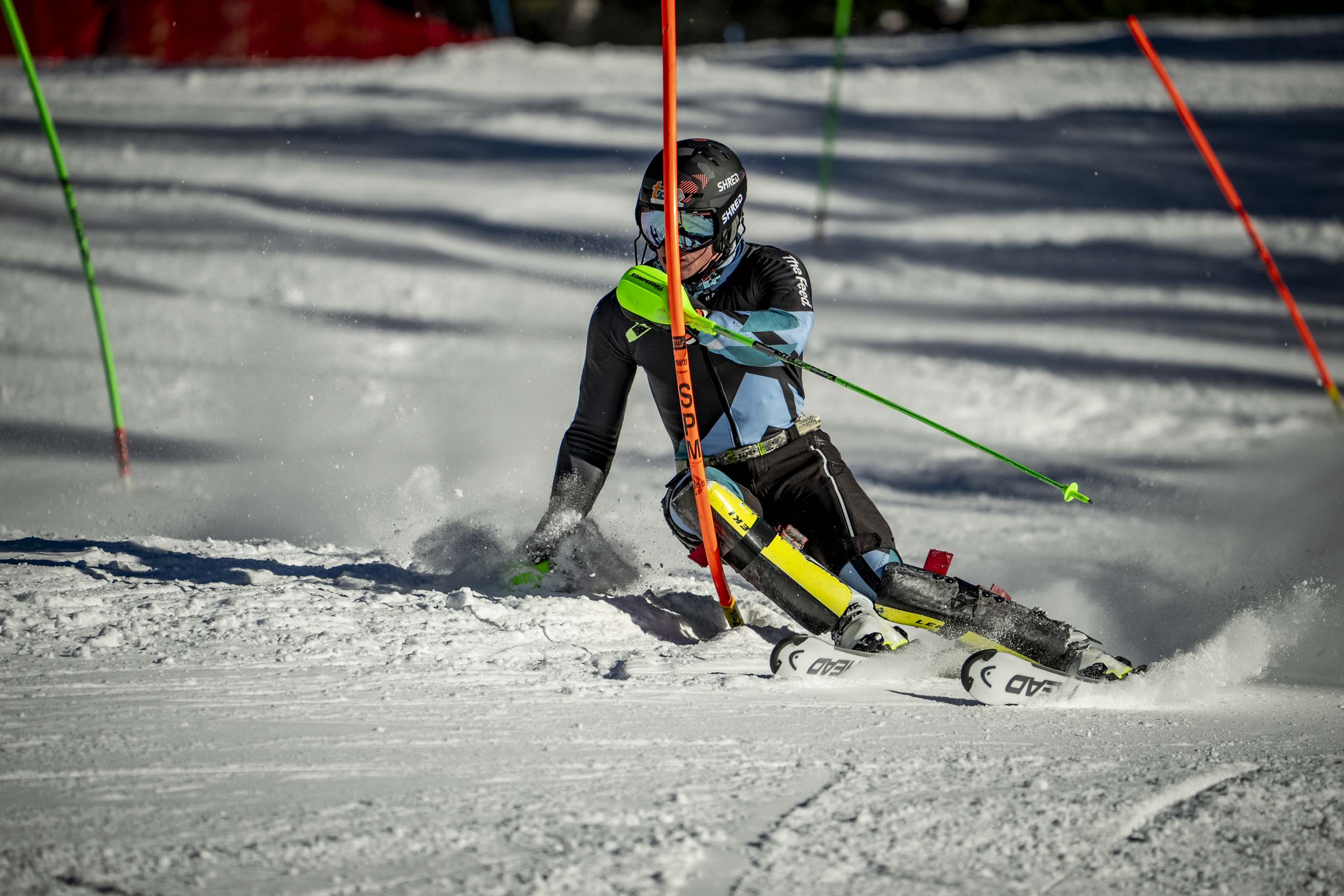
The start of the race season is emotionally charged. Months of preparation suddenly turn into results on Live Timing. For some racers, the season begins with confidence-building performances. For others, it starts with frustration, disappointment, or even futility. In all cases, it’s far too early in the season to think too much about what those early races mean.

Here’s the truth many racers need to hear early:
The first races of the season do not predict how the season will end.
What does matter is how you interpret and respond to those early results.
Three Common Early-Season Scenarios
1. The Fast Start
You open the season with strong results. Confidence is high. Everything is clicking.
The danger here is complacency, over-confidence, or expectations. Racers who start fast sometimes relax, protect their position, or assume progress will continue automatically. The focus subtly shifts from growth to maintenance to defensiveness.

Mental task: stay process focused. Early success doesn’t mean you’re finished developing. It means you’re ready to keep building higher.
2. The Middle-of-the-Road Start
You’re skiing well, but results are inconsistent. Some good runs, some average ones. You feel “close,” but not quite there.
This is a mentally dangerous place to be. Racers here often press too hard, overanalyze, or start chasing results instead of skiing freely and letting their season build.

Mental task: stay patient. “Close” often means progress is happening beneath the surface. So, if you keep driving forward, that being “close” will turn into “I’ve arrived.”
3. The Slow or Bad Start
Results are poor. Confidence takes a hit. Doubt creeps in. Fear of a terrible season looms large.
This is where many racers lose their season mentally long before it’s lost competitively. They catastrophize early outcomes and start questioning everything. They panic!
Mental task: resist emotional overreaction. Early races should provide information, not judgment.
Why Early Results Are Misleading
Early races reflect:
- Adjustment to competition intensity
- Snow and course variability
- Emotional readiness
- Comfort under pressure
They rarely reflect top fitness, refined tactics, or full confidence.
In my work with World Cuppers, I’ve seen countless examples of racers who started slowly and finished on a roll, and others who peaked early and flamed out because they mistook early success for final form.
The Long-Game Mindset
Strong seasons are built by racers who:
- Separate evaluation from emotion
- View early races as experience and data collection
- Stay committed to the process over outcomes
- Adjust without panic
The best question after early races isn’t “How did I place?”
It’s “What did I learn that helps me ski faster next week?”
The Finish Line
Early races test your emotional maturity more than your ability.
Whether your season starts fast, slow, or meh, your success will be determined not by what happens in December or early January — but by how you respond through January, February, and beyond.
The season is a marathon disguised as a sprint. Don’t let the first mile define how you finish.